Storm Damage Cleared Before Further Loss Occurs
Emergency & Storm Damage services in Salt Lake City for rapid response to fallen trees, broken limbs, and weather-related hazards
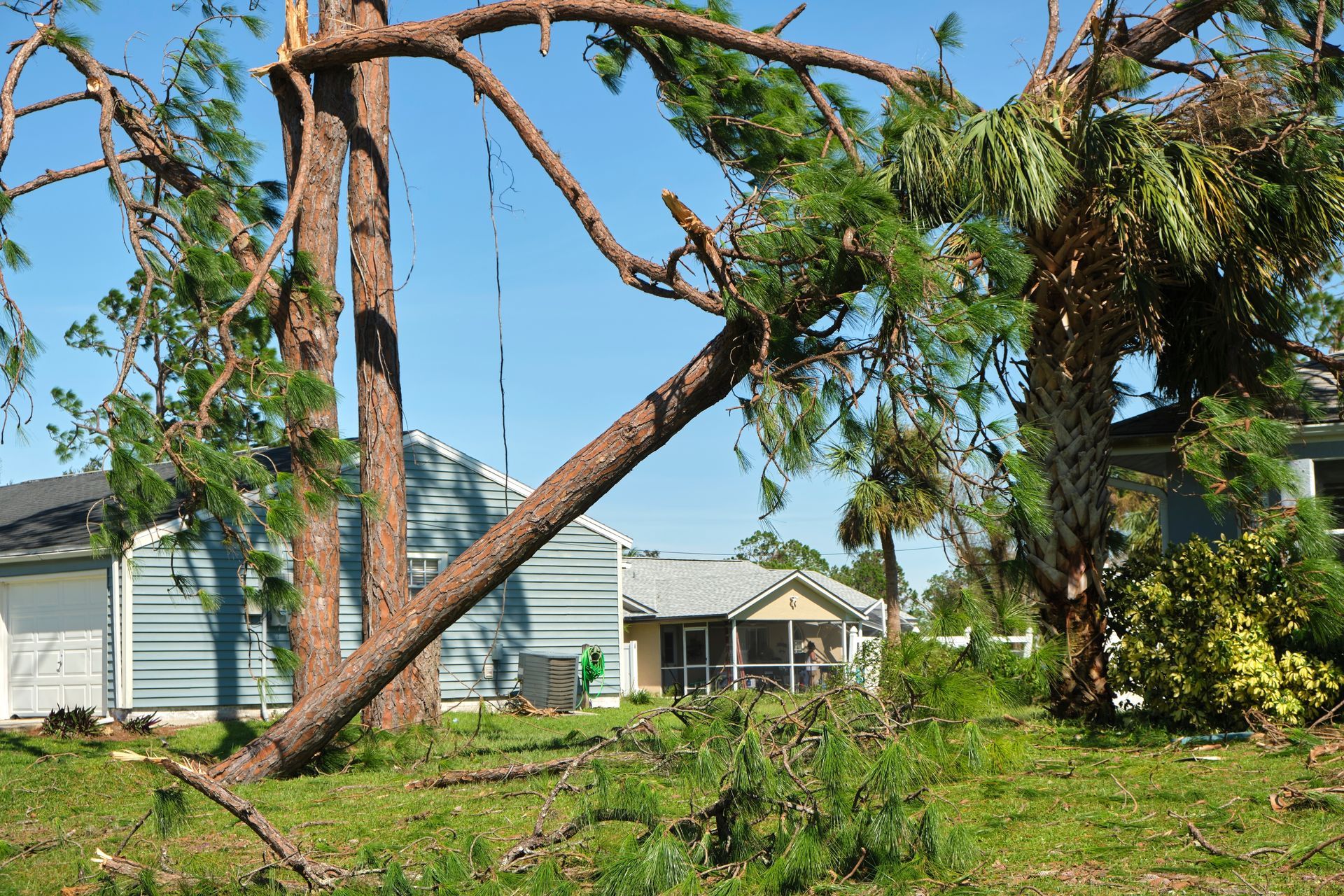
Windstorms snap limbs that land on rooflines, heavy snow collapses weakened canopies onto vehicles and fencing, and sudden weather events leave trees blocking driveways or leaning against power lines with no warning. Quick assessment and safe removal prevent additional property damage and restore access to buildings, walkways, and parking areas before the situation worsens. The Certified Arborist Tree Service responds to emergency calls across Salt Lake City, Sandy, South Jordan, and surrounding areas during and after windstorms, snowstorms, and unexpected weather events where immediate action reduces risk and limits repair costs.
Emergency tree work focuses on stabilizing or removing hazards created by storm damage, including trees that have uprooted but remain partially standing, large limbs caught in the canopy that could drop without warning, and trunks split vertically that threaten to collapse onto structures. Coordination with homeowners and property managers ensures that utilities are marked, access routes are cleared, and priorities are addressed in the safest sequence.
Call (801) 821-9585 immediately if a tree or limb has fallen and poses a risk to people, structures, or utilities on your property.
What Happens During an Emergency Tree Response
Emergency crews arrive equipped to handle high-risk situations, including trees leaning against buildings under tension, limbs suspended in canopies above walkways, and root balls that have lifted but not fully detached. Rigging techniques stabilize unstable sections before cutting begins, and debris is moved to a staging area away from active damage zones so that repairs to structures or utilities can proceed without obstruction.
Once the immediate hazard is cleared, you notice that access to garages and driveways is restored, rooflines are no longer supporting tree weight that could cause collapse, and broken limbs no longer hang overhead where they could fall during the next wind gust. Properties that experienced partial tree failure or severe limb breakage are stabilized so that remaining tree sections can be evaluated for removal or corrective pruning once conditions allow safer, non-emergency work.
Emergency service focuses on hazard removal and site safety, not complete cleanup or stump grinding, which are scheduled separately after the urgent situation is resolved. Tarping damaged rooflines, cutting limbs free from power lines without making electrical contact, and removing debris blocking emergency vehicle access take priority over aesthetic concerns or final site restoration.
Homeowners and property managers dealing with storm damage need fast answers about what to expect when trees fail unexpectedly and how response services work under urgent conditions.
Common Questions About This Service
What should I do if a tree falls on my house during a storm?
Evacuate anyone from the affected area, shut off electricity to that section if possible, and contact emergency tree services to stabilize and remove the tree before structural damage worsens.
How quickly can emergency tree crews respond in Salt Lake City?
Response time depends on weather conditions, call volume during widespread storm events, and travel distance, though high-risk situations involving structures or utilities receive priority scheduling.
What equipment is used to remove trees under emergency conditions?
Chainsaws, rigging ropes, cranes for large sections near structures, and sometimes bucket trucks when overhead access is safer than ground-based cutting are deployed based on site-specific hazards.
Why do some trees fail during relatively mild storms?
Shallow root systems in compacted or sandy soil, decay in the trunk or major limbs that wasn't visible externally, and previous storm damage that weakened structural integrity all contribute to failure during conditions that healthy trees would tolerate.
What happens to the debris after emergency removal?
Debris is moved away from structures and access routes during the emergency response, then hauled offsite during follow-up cleanup once the property is safe and accessible.
The Certified Arborist Tree Service handles urgent and high-risk tree situations with trained crews experienced in managing storm damage safely and efficiently. Keep our number accessible so you can respond quickly when weather events threaten your property and trees.