Site Preparation for Development and Expansion
Land Clearing in Salt Lake City for residential construction, commercial projects, and property expansion requiring vegetation removal
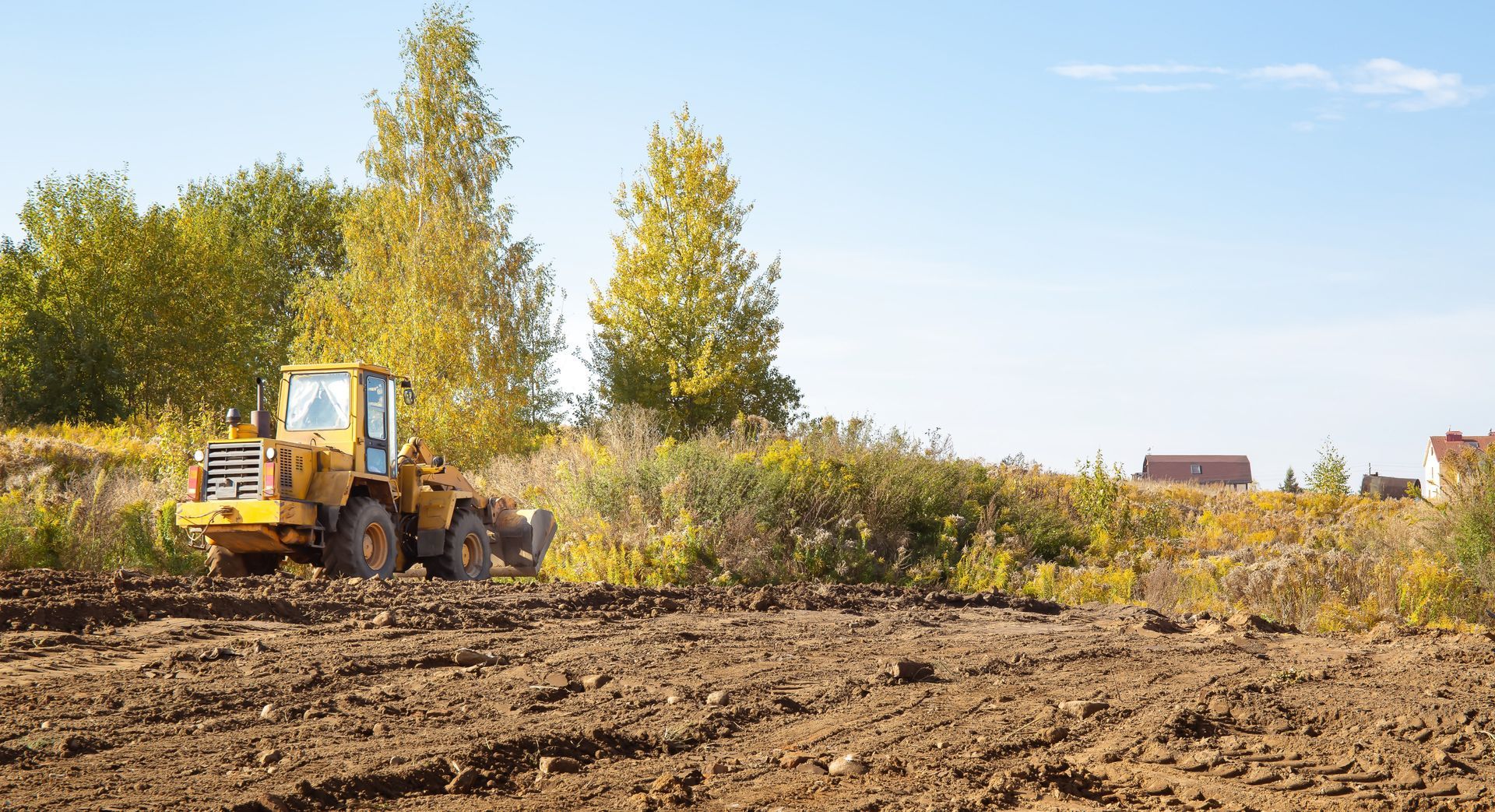
Overgrown vegetation, mature trees, and dense brush obstruct construction sites and prevent grading, foundation work, and utility installation from proceeding on schedule. Land clearing removes trees, stumps, and undergrowth to prepare parcels for building, whether on small residential lots where selective removal protects desirable trees or on larger tracts requiring complete vegetation clearance. The Certified Arborist Tree Service handles land clearing in Salt Lake City, West Valley City, Sandy, and surrounding areas using professional equipment that processes material efficiently while controlling dust and debris, allowing development projects to move forward without delays caused by inadequate site preparation.
Clearing work includes felling trees, grinding stumps below grade, removing brush and root masses, and processing material for disposal or chipping depending on project requirements. Safe execution requires evaluating each tree's lean, surrounding obstacles, and fall zone to prevent damage to adjacent structures, utilities, or trees designated for preservation. Attention to surrounding areas ensures that clearing stays within property boundaries and that equipment operation doesn't compact soil beyond the immediate work zone, which matters for landscaping and drainage performance after construction completes.
Request a project estimate to review site conditions and determine the equipment and timeline required for your clearing needs.
How Professional Clearing Handles Small Lots and Larger Parcels
Clearing methods vary based on parcel size and access limitations—small residential lots with limited equipment access require selective removal and hand work to protect existing structures, while open commercial sites allow for larger machinery that accelerates vegetation processing. Stump grinding depth depends on what the site will be used for after clearing, with building pads requiring deeper grinding than areas designated for landscaping or drainage features.
After clearing, the site is level enough for grading work to begin, and all woody debris is processed so construction equipment can operate without obstruction. You'll notice clean, defined boundaries where vegetation has been removed, and the ground surface is free of root masses that would interfere with excavation or utility trenching. Material processing reduces the volume of debris leaving the site, lowering hauling costs and minimizing the environmental impact of disposal.
Clearing projects can be staged to remove vegetation in phases, useful when development timelines shift or when preserving certain trees until final grading plans are confirmed. The service accommodates projects ranging from single-lot residential builds to multi-acre commercial developments, with equipment selection and crew size adjusted to match the scope and access constraints of each site.
Clearing projects involve coordinating access, timing, and material disposal, and understanding what the work includes helps align expectations with project schedules and site requirements.
What Property Owners Usually Ask
What equipment is used for land clearing?
Equipment varies from compact excavators and skid steers for small lots to bulldozers and forestry mulchers for larger parcels, with stump grinders used to remove root systems below grade after trees are felled.
How deep are stumps ground during clearing?
Standard grinding removes stumps six to twelve inches below existing grade, sufficient for most construction and landscaping, though deeper grinding is available if building foundations or hardscaping will be installed over the area.
Can specific trees be preserved during clearing?
Selective clearing protects designated trees by creating buffer zones, using rigging to control fall direction away from preserved specimens, and avoiding soil compaction near root zones that would damage retained trees.
What happens to the material removed from the site in Salt Lake City?
Material can be chipped for mulch, hauled to disposal facilities, or left on-site as slash if the project scope and local regulations allow, with disposal methods chosen based on volume and project budget.
How long does clearing take for a typical residential lot?
Timelines depend on tree density, stump count, and access, but most single-lot residential projects are completed within one to three days once equipment is mobilized and weather conditions allow safe operation.
The Certified Arborist Tree Service provides efficient land clearing for residential and commercial projects, with attention to surrounding property and safe material processing. Reach out for a site visit and detailed estimate based on your project's clearing requirements.