Canopies Shaped to Handle Seasonal Stress
Tree Trimming & Pruning in Salt Lake City for maintaining structure, reducing limb failure risk, and improving long-term tree health
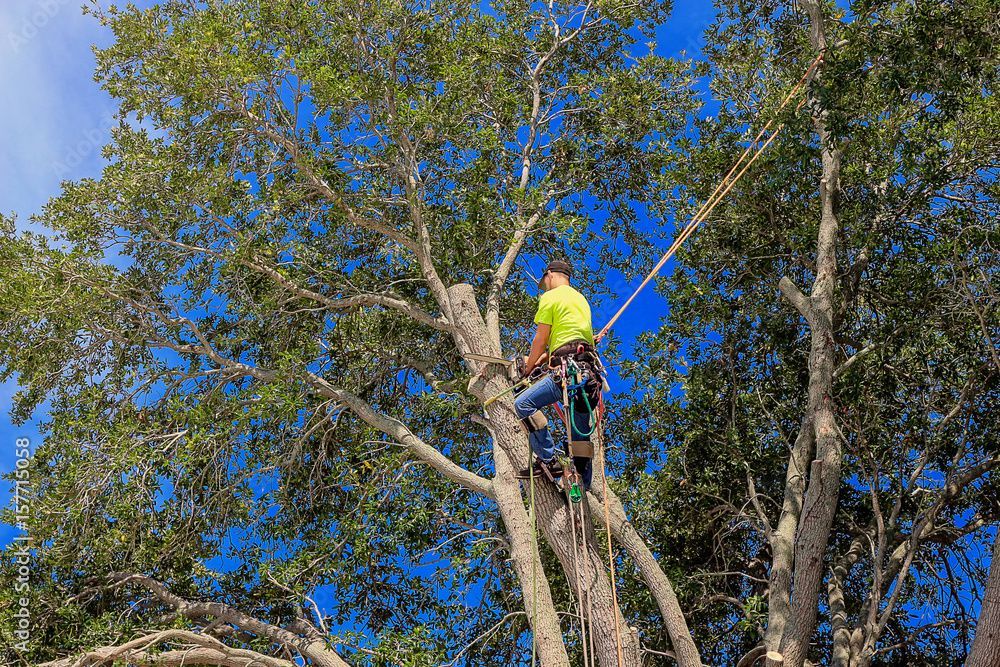
Proper timing and technique based on species and Utah's seasonal cycles determine whether pruning strengthens a tree or creates entry points for disease and insect damage. The Certified Arborist Tree Service performs trimming and pruning throughout Salt Lake City, West Valley City, West Jordan, and surrounding areas where homeowners need to reduce snow weight on horizontal limbs, improve clearance around structures, and remove deadwood before it falls during windstorms. Careful cuts preserve the branch collar and avoid flush cuts that prevent wound closure, which keeps trees healthier and more resilient through temperature extremes and variable precipitation.
Trimming and pruning involve selective removal of limbs to balance the canopy, reduce wind resistance, and eliminate crossing branches that rub and create weak points. Crown thinning allows air movement through dense foliage, which reduces fungal problems in humid microclimates and decreases the surface area exposed to heavy snow accumulation during winter months.
Arrange a site visit to evaluate pruning needs and establish a maintenance schedule suited to your trees and property layout.
Why Seasonal Pruning Works for Utah Conditions
Pruning during late winter before buds break minimizes sap flow and allows wounds to close as growth resumes in spring, which reduces stress and limits pathogen entry. Species-specific timing matters because some trees compartmentalize wounds more effectively when pruned during dormancy, while others tolerate summer pruning without significant decline. Cuts are made just outside the branch collar where natural barriers form, and limbs are removed in sections to prevent tearing bark down the trunk when weight shifts.
After pruning, you notice that trees no longer scrape against rooflines during wind events, sunlight reaches lawn areas that previously stayed shaded and thin, and the canopy develops a more open structure that sheds snow instead of accumulating weight on weak unions. The Certified Arborist Tree Service leaves trees with improved balance and reduced risk of splitting during storms, which extends the functional lifespan and reduces emergency maintenance costs over time.
Pruning does not include treatment for insect infestations, disease management beyond removing infected limbs, or irrigation adjustments to address drought stress. Those concerns are handled separately through plant health care programs that combine monitoring, treatment applications, and soil amendment based on lab testing and symptom evaluation.
Homeowners planning pruning work often ask about timing, technique, and what results to expect after the canopy is thinned or reshaped.
Answers to Frequent Service Questions
What is the difference between trimming and pruning?
Trimming generally refers to shaping and clearance work, while pruning focuses on removing specific limbs to improve structure, health, and reduce hazards based on tree biology.
How does pruning reduce the risk of limb failure during snow and wind events in Salt Lake City?
Removing limbs with weak attachment angles and thinning the canopy reduces weight and wind resistance, which prevents the leverage forces that cause splitting at branch unions during storms.
What should I expect the tree to look like immediately after pruning?
The canopy appears less dense and more open, with visible spacing between major limbs, though within one growing season new growth fills in around pruning cuts and the overall shape becomes more natural.
Why do some trees send up excessive new shoots after heavy pruning?
Aggressive pruning triggers a stress response that produces fast-growing, weakly attached water sprouts, which is why moderate selective pruning over multiple seasons produces better long-term structure than removing large portions of the canopy at once.
When should I avoid pruning a tree?
Avoid pruning during active growth spurts in late spring and during periods of drought stress when the tree lacks resources to close wounds and defend against pathogens.
The Certified Arborist Tree Service applies pruning techniques matched to species requirements and local climate patterns, ensuring that your trees develop stronger structure and better appearance over time. Contact our office to set up a consultation and review pruning options for your landscape.