Trees That Withstand Wind and Snow Load
Storm Prep for Trees in Salt Lake City for properties facing seasonal wind events and heavy snowfall
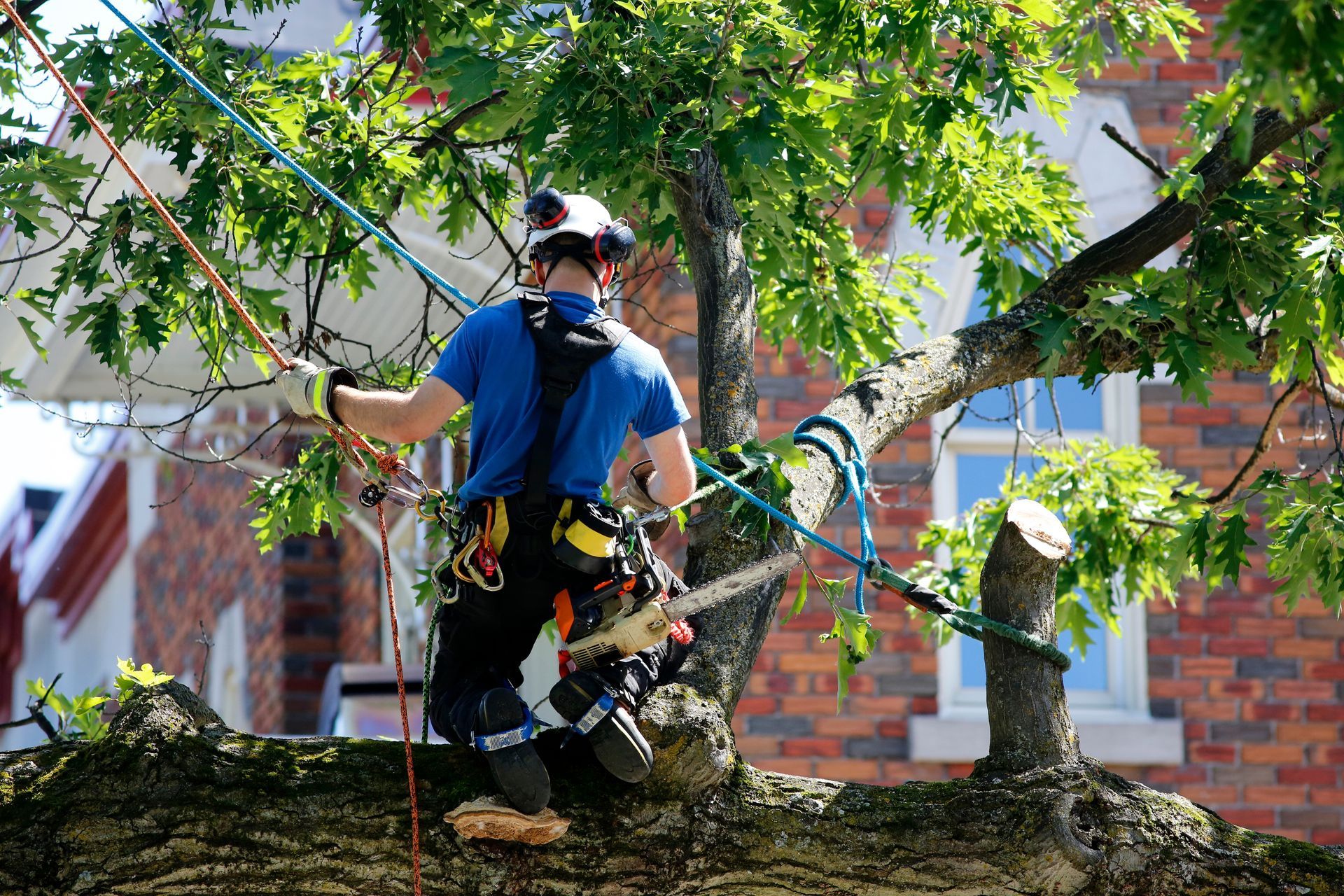
Weak branch unions and long lateral limbs collect snow weight that causes breakage during winter storms, leaving property damage and emergency cleanup work. The Certified Arborist Tree Service provides storm prep for trees in Salt Lake City, Cottonwood Heights, West Jordan, and surrounding areas by removing structurally unsound limbs and reducing hazard points before seasonal weather arrives. Structural pruning targets branches with narrow crotch angles and excessive end weight that fail under load, preventing the failures that damage roofs, vehicles, and power lines during high wind and snow events common in the Salt Lake Valley.
Storm preparation involves identifying weak attachment points, codominant stems, and overextended growth that cannot support snow accumulation or withstand sustained wind. Pruning cuts reduce length on problem limbs while maintaining the tree's natural shape and structural integrity, so weight distribution improves without compromising canopy health. This work addresses the specific failure patterns seen when autumn windstorms combine with early wet snow, conditions that stress trees not adapted to rapid load changes.
Schedule a pre-season inspection to evaluate structural vulnerabilities specific to your property's tree species and exposure.
What Structural Pruning Accomplishes Before Weather Arrives
Hazard reduction pruning removes limbs with visible defects such as included bark, decay pockets, or splitting where branches meet the trunk. These structural flaws worsen under load, and removing problem wood before snow season eliminates the attachment points most likely to fail. Certified arborists evaluate each tree's architecture to determine which limbs present the highest risk based on size, position over structures, and the angle at which they connect to the main stem.
After structural pruning, your trees shed snow more effectively because the remaining canopy allows wind to pass through rather than catching and holding heavy accumulation. You'll notice fewer broken branches on the ground after storms, and limbs no longer hang directly over rooflines or driveways where failure would cause immediate property damage. The work targets specific weak points rather than indiscriminately thinning, so the tree retains its shape while gaining stability that lasts across multiple storm cycles.
Storm prep does not eliminate all risk, but it significantly reduces the likelihood of catastrophic limb failure during predictable weather events. Trees with proper structural pruning recover faster after storms because remaining limbs are well-attached and capable of bearing temporary load increases without permanent damage. The service is most effective when completed in late summer or early fall, before leaf drop and before the first heavy snow arrives in the Salt Lake Valley, giving trees time to seal pruning wounds before winter stress begins.
Trees respond differently to wind and snow depending on their structure, health, and location, and timing this work correctly prevents the emergency calls that follow unexpected breakage.
Questions Property Owners Ask Before Storm Season
What makes a tree limb more likely to fail during a storm?
Limbs with narrow attachment angles, included bark at the junction, or long horizontal growth collect more snow and have weaker connections to the trunk, making them prone to breaking under load or during high wind.
How does storm prep differ from regular pruning?
Structural pruning focuses specifically on reducing hazard points and improving weight distribution, targeting limbs that would fail under snow or wind rather than shaping the tree for appearance or clearance.
When should storm preparation be completed in Salt Lake City?
Late summer through early fall is ideal, allowing wounds to begin sealing before winter and giving the tree time to adjust before snow load stress arrives in November and December.
Can storm prep be done on all tree species?
Most species benefit, but the approach varies—brittle-wooded trees like silver maples and Siberian elms require more aggressive hazard reduction, while species with flexible wood tolerate longer limbs without the same failure risk.
What happens if a tree already has visible cracks or splits?
Those limbs are prioritized for removal because existing damage accelerates under load, and leaving them in place almost guarantees failure during the next significant weather event.
The Certified Arborist Tree Service evaluates your trees for structural weaknesses that lead to storm damage and completes hazard reduction before weather patterns shift. Request an evaluation to identify which trees need attention before the season changes.