Hazardous Trees Removed Without Collateral Damage
Tree Removal in Salt Lake City for dead, diseased, or structurally compromised trees threatening property and safety
Trees that lean toward structures after root failure, show extensive decay in the main trunk, or drop large dead limbs without warning cannot be saved through trimming or treatment. Controlled removal using rigging systems and sectional dismantling prevents further damage to rooflines, fencing, utilities, and surrounding landscape while eliminating the hazard completely. The Certified Arborist Tree Service removes trees throughout Salt Lake City, Cottonwood Heights, Sandy, and surrounding areas, where storm damage, heavy snow load, drought-related decline, or disease progression has made the tree a liability rather than an asset.
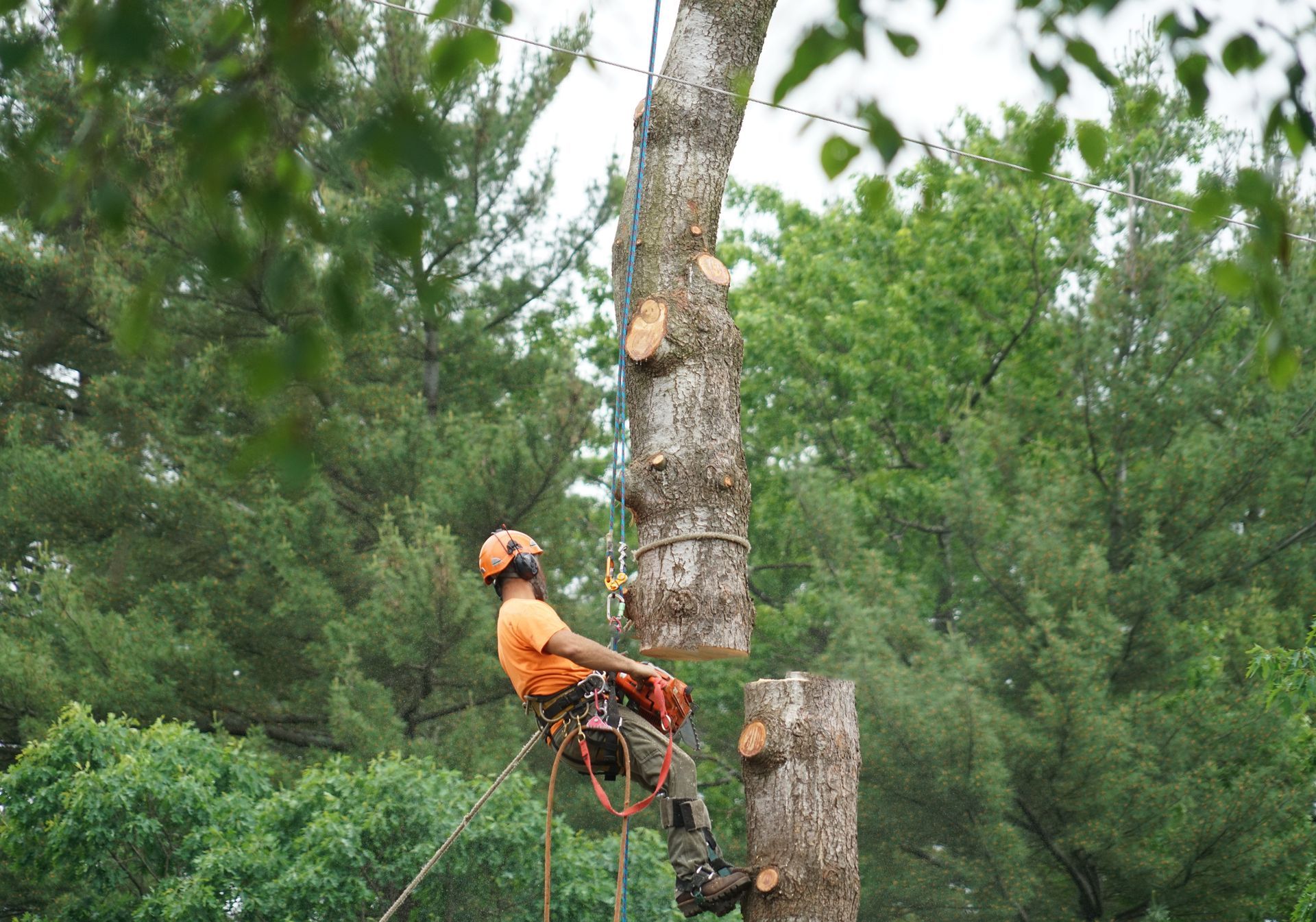
Tree removal involves assessing lean direction, calculating drop zones, and rigging limbs in sections when obstacles prevent felling the entire trunk in one piece. Crews protect driveways, irrigation systems, and adjacent plantings by controlling every stage of the takedown, and stumps are ground below grade so the area can be replanted or converted to lawn.
Schedule an inspection to receive a removal estimate based on tree size, location, and site access conditions.
What Changes After Hazardous Trees Are Removed
Professional removal begins with clearing the work zone, followed by sectional cutting of upper limbs using ropes to guide each piece to the ground without striking nearby structures. The main trunk is then cut into manageable lengths and either removed or processed into firewood depending on wood condition, and the stump is ground to several inches below soil level to allow for replanting or turf establishment.
Once removal is finished, you notice unobstructed sightlines where the tree previously blocked views, increased sunlight reaching areas that were heavily shaded, and elimination of the deadwood or leaning trunk that posed a falling risk during windstorms. Properties that previously dealt with cracked pavement from invasive roots or water intrusion from limbs scraping rooflines no longer experience those specific problems.
Cleanup includes hauling all wood and debris offsite, raking the area to remove smaller twigs and bark fragments, and backfilling the stump hole with soil so the ground is level and safe to walk across. The work does not include replanting, landscape redesign, or irrigation adjustments, though recommendations can be provided if the site will support a replacement tree with different root structure or mature size.
Property owners in Salt Lake City often need clarity on when removal is necessary and what the process involves from start to finish.
Common Questions About This Service
How do you determine whether a tree should be removed or can be saved?
Trees with extensive trunk decay, root failure causing visible lean, or more than sixty percent dead canopy are typically removed because the structural integrity cannot be restored through treatment.
What risks are common in Salt Lake City that lead to tree removal?
Heavy snow accumulation on limbs weakened by drought stress, windstorms that expose shallow root systems in sandy soils, and bark beetle infestations in conifers are frequent causes of decline requiring removal.
What equipment is used to protect surrounding landscape during removal?
Rigging systems control limb descent, plywood sheets protect turf and pavement under drop zones, and stump grinders are positioned to avoid damage to nearby irrigation lines or utility boxes.
When is the best time to remove a hazardous tree?
Removal can happen year-round, though frozen ground in winter sometimes complicates stump grinding and soil backfilling until temperatures rise.
What happens to the wood after the tree is removed?
Wood is either chipped for mulch, cut into firewood lengths if the client requests it, or hauled offsite for processing, depending on species and condition.
The Certified Arborist Tree Service removes hazardous trees with attention to site protection and thorough cleanup, ensuring that your property is safer and ready for the next phase of landscaping. Call (801) 821-9585 to arrange an evaluation and discuss removal options for trees that no longer serve your landscape safely.